
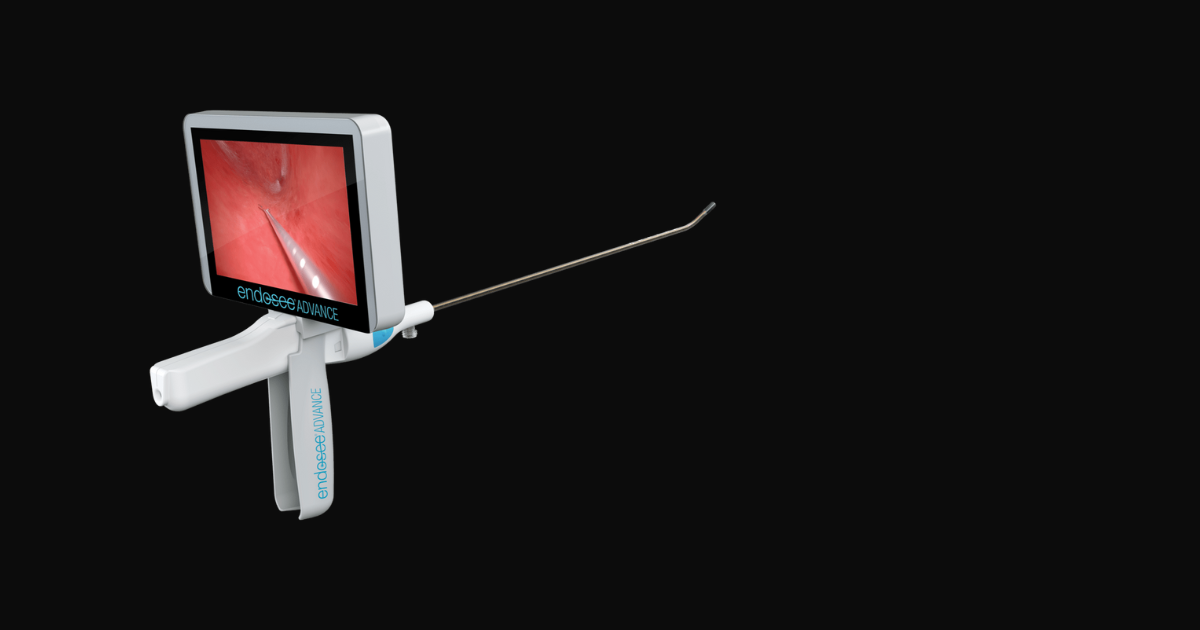
If you’ve been told you need a gynecological evaluation, it’s natural to feel uncertain about what comes next. The good news? Modern technology has made it possible to get clear answers without the need for an operating room or lengthy recovery. One innovation leading this change is Endosee®, a handheld, in-office system that allows your provider to see inside the uterus quickly and comfortably, often in just minutes.
In this article, you’ll learn how Endosee compares to traditional hysteroscopy and hysterectomy, what makes it different, and why so many women are choosing this gentle, same-day approach for answers about their reproductive health. By understanding your options, you can move forward with confidence, clarity, and comfort in your care.
Gynecological symptoms like abnormal uterine bleeding, unexplained pelvic pain, or persistent irregular periods can be disruptive and concerning. To pinpoint the cause, your provider may recommend a closer look inside the uterus. Historically, this meant booking an operating room procedure with anesthesia. Today, technology has evolved, offering new pathways that prioritize both accuracy and patient comfort.
Endosee represents a leap forward in gynecological diagnostics. This portable, in-office device allows providers to directly visualize the uterine cavity within minutes, delivering fast answers without the need for a hospital stay. With more patients seeking efficient, low-stress healthcare experiences, understanding the differences between Endosee and traditional hysteroscopy helps you choose what’s best for your health and lifestyle.
For decades, traditional hysteroscopy has been the gold standard for evaluating the uterus. In this approach, a thin, telescope-like instrument is inserted through the cervix, allowing your gynecologist to inspect the uterine lining and diagnose polyps, fibroids, or other abnormalities.
However, this conventional method typically requires:
After the procedure, patients may experience cramps, bloating, or grogginess from sedation. Some need to take a day or more off work for rest and recovery. While traditional hysteroscopy is effective and accurate, the process can feel daunting for many patients due to its invasive nature and the need for anesthesia.
The Endosee system is changing how gynecological assessments are performed. This portable, handheld device brings the power of hysteroscopic visualization directly into your provider’s office. No hospital gowns, no fasting, and no anesthesia required.
With Endosee, the evaluation is performed during a regular office visit. The device is gently inserted through the cervix under direct visualization, allowing the provider to view the uterine cavity in real-time. The procedure typically takes less than 10 minutes, and most patients describe minimal discomfort, often likening it to a Pap smear or routine pelvic exam.
Key features of the Endosee experience include:
This streamlined approach means you spend less time waiting and more time focusing on your health and well-being.
Below is a direct comparison of Endosee and traditional hysteroscopy across the most important factors for patients and providers.
| Feature | Endosee (In-Office) | Traditional Hysteroscopy (Hospital/OR) |
|---|---|---|
| Setting | Gynecologist’s office | Hospital or surgical center |
| Anesthesia Required | None | General or regional anesthesia |
| Preparation Needed | Minimal; no fasting or pre-op | Fasting, pre-op testing, transportation |
| Procedure Time | 3-10 minutes | 30-60 minutes (plus prep and recovery) |
| Recovery Time | Immediate return to activities | Hours to a day; possible time off work |
| Discomfort Level | Mild to moderate, brief | Mild to moderate, more prolonged (anesthesia side effects) |
| Cost | Lower; fewer facility fees | Higher; facility, anesthesia, and surgeon fees |
| Diagnostic Accuracy | High | High |
| Wait Time for Answers | Same-day | Several days (may require follow-up) |
| Risk of Complications | Low | Slightly higher (anesthesia-related) |
Choosing the right diagnostic tool is about more than just convenience. The Endosee system offers a range of distinct advantages that improve both patient satisfaction and clinical outcomes:
These features make Endosee a modern, patient-centered choice for many women needing a gynecological evaluation.
For many, the word “hysteroscopy” conjures images of surgical suites, IVs, and days spent in recovery. The Endosee approach redefines this journey.
Consider the traditional hysteroscopy experience:
With Endosee, the process is dramatically different:
Patients often report feeling more in control and less intimidated by the Endosee process. The office environment feels familiar, and the quick turnaround means less time spent worrying and more time focusing on solutions.
Healthcare costs are a major concern for many individuals and families. The Endosee system delivers significant advantages in terms of affordability and access:
Choosing a cost-effective, efficient diagnostic pathway can help you manage your health proactively while reducing financial strain.
If you’re dealing with abnormal uterine bleeding, pelvic discomfort, or other concerns affecting your reproductive health, Endosee offers a modern, convenient way to find clarity. This quick, in-office procedure is ideal for women who want to:
While some complex conditions may still require traditional hysteroscopy or surgical evaluation, Endosee provides an excellent first-line option for most patients seeking a gentle, efficient diagnostic approach. At Core Luxe MD, our compassionate providers will review your medical history, symptoms, and goals to determine whether Endosee is the right next step for you.
Schedule your consultation at Core Luxe MD today and experience how advanced, in-office gynecologic care can be both comfortable and empowering. Dr. Honey is proud to be a leading provider of the Endosee Advance in Tarzana, CA—call (818) 343-1717 to schedule your consultation now.